Toothaches are a common occurrence, but sometimes the pain can signal a more serious problem: infected tooth pulp. This inner layer of the tooth contains nerves and blood vessels, and when it becomes infected, it can cause significant discomfort and even threaten the health of your tooth. Thankfully, root canal treatment can come to the rescue.
This blog post will serve as your guide to root canal treatment in Nagpur. We'll delve into what it is, why it's necessary, what the procedure entails, and what to expect after treatment.
Understanding Root Canal Treatment
The human tooth has a hard outer shell (enamel) and dentin underneath. Inside the dentin lies the pulp, a soft tissue containing nerves, blood vessels, and connective tissue. This pulp is responsible for nourishing the tooth and keeping it alive.
However, bacteria from deep cavities or cracks in the tooth can reach the pulp, causing inflammation and infection. This infection can lead to severe pain, swelling, and even bone loss around the tooth. Left untreated, the infection can spread and become life-threatening.
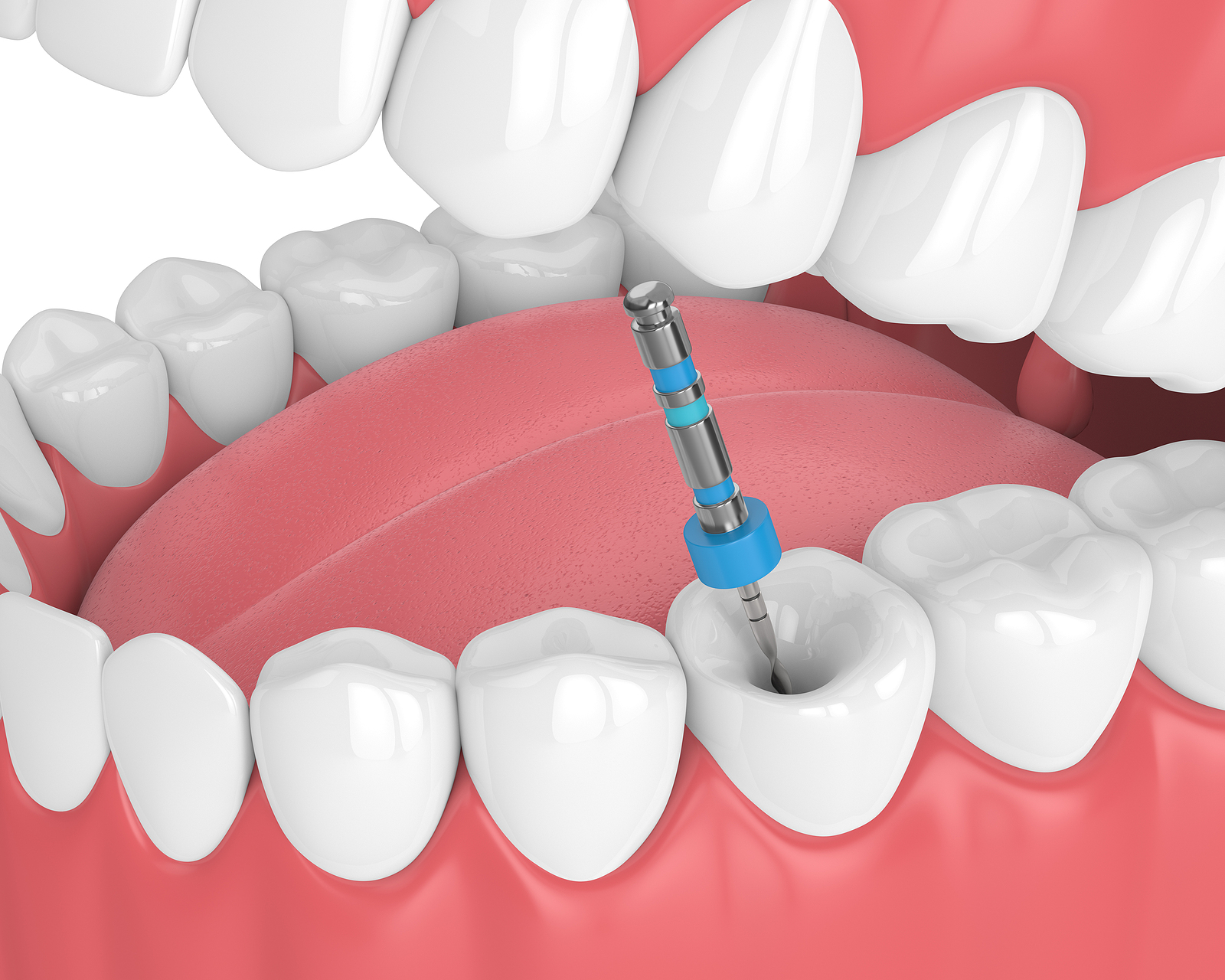
Root canal treatment is a dental procedure that aims to remove the infected pulp, clean and disinfect the inside of the tooth, and seal it to prevent further infection. This preserves the tooth and prevents the need for extraction.
Why is Root Canal Treatment Necessary?
While tooth extraction might seem like a quicker solution, it's important to understand the benefits of saving your natural tooth whenever possible. Here's why root canal treatment is preferable to tooth extraction:
- Preserves natural tooth structure: Your natural teeth are designed to work together for optimal chewing, speaking, and aesthetics. Extracting a tooth disrupts this balance and can lead to jaw problems, shifting of teeth, and difficulty chewing.
- Maintains facial structure: Your teeth play a role in supporting your facial structure. When a tooth is extracted, the bone beneath it starts to deteriorate, which can lead to a sunken appearance in the face.
- Prevents future complications: Missing teeth can make it difficult to chew properly, leading to digestive problems. Additionally, the gap left by a missing tooth can make surrounding teeth more susceptible to movement and decay.
Root canal treatment addresses the infection at its source, allowing you to retain the full functionality and aesthetics of your natural tooth.
What to Expect During Root Canal Treatment
Root canal treatment is typically performed by an endodontist, a dentist specializing in treating the tooth's inner pulp. The procedure usually takes place over one or two appointments, depending on the complexity of the case.
Here's a breakdown of what you can expect during a root canal treatment:
- X-ray and examination: The dentist will first take an X-ray to assess the extent of the infection and determine the best course of treatment. They will also examine the tooth for any cracks or damage.
- Anesthesia: Local anesthesia will be administered to numb the area around the tooth.
- Isolation: A rubber dam will be placed around the tooth to isolate it from the rest of the mouth and prevent contamination.
- Access creation: The dentist will create an opening in the crown of the tooth to access the pulp.
- Pulp removal: The infected pulp will be carefully removed using small instruments.
- Cleaning and shaping: The canals within the root of the tooth will be cleaned and shaped to remove any remaining debris and bacteria.
- Disinfection: Medication will be placed inside the canals to kill any remaining bacteria.
- Filling: The canals will be filled with a biocompatible material to prevent future infection.
- Temporary restoration: A temporary filling will be placed on the tooth.
- Crown placement: In most cases, a permanent crown will be needed to restore the strength and functionality of the tooth. This will usually be done in a separate appointment.
Recovery after Root Canal Treatment
After a root canal procedure, you may experience some mild discomfort or sensitivity for a few days. This can be managed with over-the-counter pain medication. Your dentist will provide specific instructions on caring for your tooth after treatment. These typically include:
- Maintaining good oral hygiene by brushing twice daily and flossing regularly.
- Avoiding chewing hard or sticky foods on the treated tooth until a permanent crown is placed.
- Scheduling follow-up appointments with your dentist to monitor the tooth's healing.
Finding the Right Dentist for Root Canal Treatment in Nagpur
With several skilled dentists in Nagpur, choosing the right one for your root canal treatment is crucial. Here are some factors to consider when making your decision:
- Qualifications and experience: Look for a dentist who holds a Doctor of Dental Surgery (DDS) degree and has experience performing root canal treatments.
- Technology and equipment: Advanced technology like digital X-rays and rotary instrumentation can enhance the accuracy and

No comments:
Post a Comment