Wednesday, July 10, 2024

Smile Again with Confidence: Exploring Missing Tooth Treatments in Jamshedpur


A missing tooth can be more than just a cosmetic concern. It can affect your ability to chew properly, your speech, and even your confidence. But fear not, Jamshedpur offers a variety of effective treatment options to restore your smile and oral function. This comprehensive guide explores the causes of missing teeth, delves into the different replacement solutions available, and helps you navigate your journey towards a complete smile.

Understanding Tooth Loss: Why Teeth Go Missing

There are several reasons why teeth might go missing, some more common than others:

  • Tooth Decay: Untreated cavities and gum disease can lead to severe tooth decay, ultimately requiring extraction.
  • Gum Disease: This chronic inflammatory condition damages the supporting bone and tissue around the teeth, causing them to loosen and fall out.
  • Injury: Accidents or trauma to the face can damage or knock out teeth.
  • Wisdom Teeth Impaction: When wisdom teeth don't erupt properly and become impacted, they may need removal to prevent overcrowding or infection.

Living with Missing Teeth: The Impact on Your Well-being

Missing teeth can have a significant impact on your life beyond aesthetics. Here are some potential consequences:

  • Chewing Difficulties: Missing teeth, especially molars, can make chewing challenging, leading to digestive problems.
  • Speech Impediments: Gaps or missing teeth can alter your speech patterns, making it hard to enunciate clearly.
  • Shifting Teeth: The remaining teeth may shift to fill the gap, causing misalignment and bite problems.
  • Bone Loss: Without the stimulation of a tooth root, the jawbone can deteriorate over time, affecting facial structure.
  • Decreased Confidence: Missing teeth can lead to self-consciousness and a reluctance to smile freely.


Restoring Your Smile: Treatment Options in Jamshedpur

Fortunately, modern dentistry offers various solutions to replace missing teeth and restore your smile's function and beauty. Here's a breakdown of the most popular options:

1. Dental Implants:

  • Function: Implants are considered the gold standard for tooth replacement. They are small, screw-like titanium posts surgically inserted into the jawbone. Over time, the bone fuses with the implant, creating a strong foundation for a prosthetic tooth (crown) or bridge.
  • Benefits: Implants provide superior stability, mimicking the function of natural teeth. They don't affect surrounding teeth and help preserve jawbone health. Implants are durable and can last a lifetime with proper care.
  • Considerations: Implants are a surgical procedure and require a healthy jawbone for placement. They can be a more expensive option compared to other solutions.

2. Dental Bridges:

  • Function: Bridges are fixed dental prosthetics anchored to healthy teeth on either side of the gap. They are typically made of porcelain fused to metal and can replace one or several missing teeth.
  • Benefits: Bridges offer a stable and aesthetically pleasing solution. They are less invasive than implants and may be a more affordable option.
  • Considerations: Bridges require preparation of the adjacent teeth, which may involve grinding down healthy enamel. They may not be suitable for patients with weak surrounding teeth.

3. Dentures:

  • Function: Dentures are removable prosthetics that replace a full arch of missing teeth (upper or lower jaw). They can be full dentures, covering all teeth, or partial dentures, filling in gaps between remaining teeth.
  • Benefits: Dentures are a cost-effective option for replacing multiple missing teeth. They are relatively easy to remove and clean.
  • Considerations: Dentures may require some practice to get used to and may not feel as secure or natural as implants or bridges. They can affect your ability to taste and chew effectively.

4. Dental Flippers:

  • Function: These are temporary, removable partial dentures made of acrylic resin. They are used as a temporary solution for a single missing tooth or a few missing teeth, particularly in the front of the mouth, while a permanent solution is being planned or fabricated.
  • Benefits: Flippers are a cost-effective and quick way to fill a gap cosmetically.
  • Considerations: Flippers are not intended for long-term use and may not be very durable. They may affect your speech and may not be suitable for chewing.

Choosing the Right Treatment: Factors to Consider

The best treatment option for you depends on several factors:

  • Number of Missing Teeth: The number of teeth missing will influence the most suitable solution. Implants or bridges may work well for single or a few missing teeth, while dentures might be appropriate for a full arch.
  • Jawbone Health: Implants require a healthy jawbone for placement. If bone loss is present, bone grafting procedures may be needed beforehand.
  • Overall Oral Health: The dentist will assess
  • Conclusion:

    Missing tooth treatment in Jamshedpur needn't hold you back from a healthy and confident smile. Jamshedpur boasts skilled dental professionals equipped with advanced technologies to offer you the best possible treatment options. Schedule a consultation with a qualified dentist to discuss your specific needs and concerns. They will conduct a thorough examination, explore all suitable options, and guide you towards the treatment plan that best restores your oral health, function, and confidence. Remember, a complete smile is an investment in your overall well-being. So, take the first step towards a brighter future and reclaim your smile today!

     

Wednesday, July 3, 2024

Root Canal Rescue: Preserving Your Smile in Nagpur


Toothaches are a common occurrence, but sometimes the pain can signal a more serious problem: infected tooth pulp. This inner layer of the tooth contains nerves and blood vessels, and when it becomes infected, it can cause significant discomfort and even threaten the health of your tooth. Thankfully, root canal treatment can come to the rescue.

This blog post will serve as your guide to root canal treatment in Nagpur. We'll delve into what it is, why it's necessary, what the procedure entails, and what to expect after treatment.

Understanding Root Canal Treatment

The human tooth has a hard outer shell (enamel) and dentin underneath. Inside the dentin lies the pulp, a soft tissue containing nerves, blood vessels, and connective tissue. This pulp is responsible for nourishing the tooth and keeping it alive.

However, bacteria from deep cavities or cracks in the tooth can reach the pulp, causing inflammation and infection. This infection can lead to severe pain, swelling, and even bone loss around the tooth. Left untreated, the infection can spread and become life-threatening.

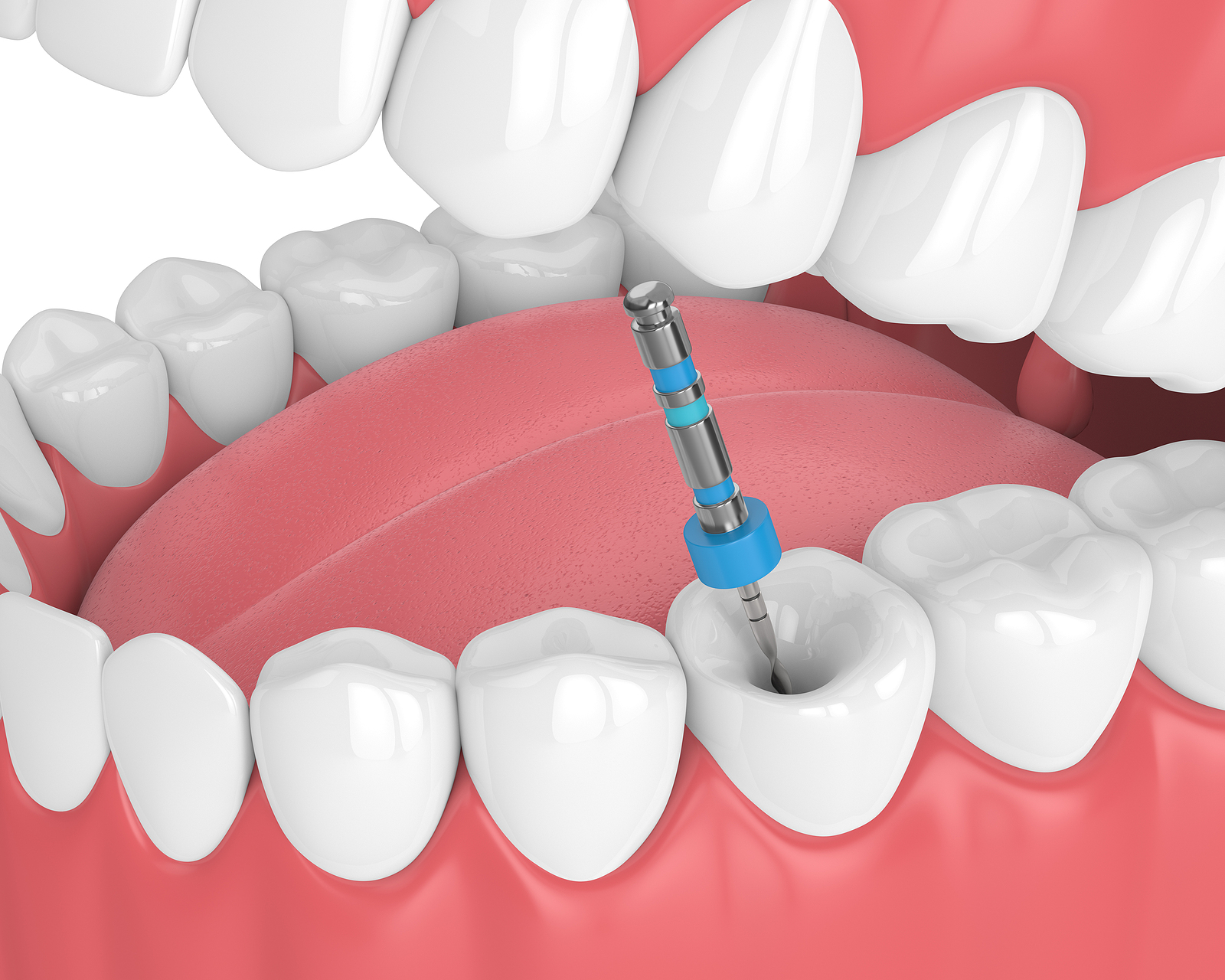
Root canal treatment is a dental procedure that aims to remove the infected pulp, clean and disinfect the inside of the tooth, and seal it to prevent further infection. This preserves the tooth and prevents the need for extraction.


Why is Root Canal Treatment Necessary?

While tooth extraction might seem like a quicker solution, it's important to understand the benefits of saving your natural tooth whenever possible. Here's why root canal treatment is preferable to tooth extraction:

  • Preserves natural tooth structure: Your natural teeth are designed to work together for optimal chewing, speaking, and aesthetics. Extracting a tooth disrupts this balance and can lead to jaw problems, shifting of teeth, and difficulty chewing.
  • Maintains facial structure: Your teeth play a role in supporting your facial structure. When a tooth is extracted, the bone beneath it starts to deteriorate, which can lead to a sunken appearance in the face.
  • Prevents future complications: Missing teeth can make it difficult to chew properly, leading to digestive problems. Additionally, the gap left by a missing tooth can make surrounding teeth more susceptible to movement and decay.

Root canal treatment addresses the infection at its source, allowing you to retain the full functionality and aesthetics of your natural tooth.

What to Expect During Root Canal Treatment

Root canal treatment is typically performed by an endodontist, a dentist specializing in treating the tooth's inner pulp. The procedure usually takes place over one or two appointments, depending on the complexity of the case.

Here's a breakdown of what you can expect during a root canal treatment:

  • X-ray and examination: The dentist will first take an X-ray to assess the extent of the infection and determine the best course of treatment. They will also examine the tooth for any cracks or damage.
  • Anesthesia: Local anesthesia will be administered to numb the area around the tooth.
  • Isolation: A rubber dam will be placed around the tooth to isolate it from the rest of the mouth and prevent contamination.
  • Access creation: The dentist will create an opening in the crown of the tooth to access the pulp.
  • Pulp removal: The infected pulp will be carefully removed using small instruments.
  • Cleaning and shaping: The canals within the root of the tooth will be cleaned and shaped to remove any remaining debris and bacteria.
  • Disinfection: Medication will be placed inside the canals to kill any remaining bacteria.
  • Filling: The canals will be filled with a biocompatible material to prevent future infection.
  • Temporary restoration: A temporary filling will be placed on the tooth.
  • Crown placement: In most cases, a permanent crown will be needed to restore the strength and functionality of the tooth. This will usually be done in a separate appointment.

Recovery after Root Canal Treatment

After a root canal procedure, you may experience some mild discomfort or sensitivity for a few days. This can be managed with over-the-counter pain medication. Your dentist will provide specific instructions on caring for your tooth after treatment. These typically include:

  • Maintaining good oral hygiene by brushing twice daily and flossing regularly.
  • Avoiding chewing hard or sticky foods on the treated tooth until a permanent crown is placed.
  • Scheduling follow-up appointments with your dentist to monitor the tooth's healing.

Finding the Right Dentist for Root Canal Treatment in Nagpur

With several skilled dentists in Nagpur, choosing the right one for your root canal treatment is crucial. Here are some factors to consider when making your decision:

  • Qualifications and experience: Look for a dentist who holds a Doctor of Dental Surgery (DDS) degree and has experience performing root canal treatments.
  • Technology and equipment: Advanced technology like digital X-rays and rotary instrumentation can enhance the accuracy and

Tuesday, July 2, 2024

Understanding Receding Gums: Causes, Symptoms, and Treatment Options


Gum recession is a common dental condition that can have significant impacts on oral health. Despite its prevalence, many people are unaware of its causes, symptoms, and available treatment options. Understanding this condition is crucial for maintaining healthy gums and teeth. At our esteemed dental clinic in Manish Nagar, we prioritize educating our patients on such critical issues to ensure they receive the best care possible.

Causes of Receding Gums

Gum recession occurs when the gum tissue surrounding the teeth pulls back, exposing more of the tooth or its root. Several factors contribute to this condition:

  1. Periodontal Diseases: Bacterial gum infections that destroy gum tissue and the bone supporting your teeth are the primary cause of gum recession.

  2. Genetic Predisposition: Some individuals are genetically more susceptible to gum disease, regardless of their oral care habits.

  3. Aggressive Brushing: Brushing your teeth too hard or with a hard-bristled toothbrush can wear down the enamel and cause gums to recede.

  4. Poor Oral Hygiene: Inadequate brushing and flossing can lead to plaque buildup, which can turn into tartar—a hard substance that can only be removed by a professional cleaning.

  5. Hormonal Changes: Changes in hormones, especially in women, can make gums more sensitive and vulnerable to recession.

  6. Tobacco Use: Tobacco products contribute to plaque buildup on teeth, leading to gum recession.

  7. Grinding and Clenching Teeth: Excessive force exerted on the teeth can cause gums to recede.

  8. Crooked Teeth or a Misaligned Bite: When teeth do not come together evenly, excessive force can be placed on the gums and bone, leading to recession.

Symptoms of Receding Gums

Recognizing the symptoms of receding gums early can prevent further damage and help in managing the condition effectively. Common signs include:

  • Visible Root Exposure: One of the most apparent signs is the exposure of the roots of the teeth.
  • Longer-looking Teeth: As gums recede, teeth appear longer than normal.
  • Increased Sensitivity: Exposed roots can lead to heightened sensitivity to hot, cold, and sweet foods.
  • Loose Teeth: In advanced stages, teeth may become loose due to the loss of supporting bone and tissue.
  • Discomfort or Pain: You may experience pain or discomfort at the gum line.
  • Gum Inflammation and Bleeding: Swollen, red, or bleeding gums are indicative of gum disease, which is a precursor to gum recession.

Treatment Options for Receding Gums

Treatment for receding gums depends on the underlying cause and severity of the condition. At our dental clinic in Manish Nagar, we offer a range of advanced treatments tailored to individual needs:

  1. Deep Cleaning (Scaling and Root Planing): This procedure involves the removal of plaque and tartar from the teeth and root surfaces. The roots are then smoothed to help the gums reattach to the teeth.

  2. Antibiotics: To treat any underlying bacterial infection, antibiotics may be prescribed.

  3. Surgical Treatments:

    • Gum Grafts: Tissue from another part of the mouth or a donor is used to cover exposed roots and restore gum tissue.
    • Pinhole Surgical Technique (PST): A minimally invasive procedure that involves making a small hole in the gum and using special instruments to loosen and reposition the gum tissue.
    • Regenerative Procedures: These include bone grafts, soft tissue grafts, or proteins that stimulate tissue growth to help regenerate lost bone and tissue.
  4. Desensitizing Agents, Bonding, or Fillings: These treatments can reduce sensitivity and protect the exposed root surfaces.

  5. Orthodontics: In cases where misalignment contributes to gum recession, braces or other orthodontic treatments can help correct the issue.

Preventing Receding Gums

Prevention is always better than cure. Here are some tips to help prevent gum recession:

  • Practice Good Oral Hygiene: Brush twice daily with a soft-bristled toothbrush and floss regularly.
  • Use the Right Technique: Brush gently using a circular motion rather than a back-and-forth motion.
  • Visit Your Dentist Regularly: Regular check-ups and professional cleanings are vital in maintaining oral health.
  • Quit Smoking: Avoid tobacco products to reduce your risk of gum disease.
  • Use a Mouthguard: If you grind your teeth at night, a mouthguard can help protect your teeth and gums.

At our dental clinic in Manish Nagar, we are committed to providing comprehensive care and education to help our patients maintain optimal oral health. If you suspect you have receding gums or have noticed any symptoms, do not hesitate to contact us for a consultation. Early intervention can prevent further damage and restore your smile to its healthy state.